|
| |
|
|
|
|
| 1 |
 |
211 From Prison Punishment to Fitness Staple
The treadmill, now a popular fitness machine, has a dark and twisted history rooted in punishment. Invented in 1818 by English engineer Sir William Cubitt, the original treadmill was designed to refor...
|
|
READING
SPEAKING
|
|
| 2 |
 |
203 The Birth of the Subway
The world’s first subway system, built in London and opened on January 10, 1863, was a groundbreaking achievement that transformed urban transportation. Initially met with skepticism and ridicule, t...
|
|
READING
SPEAKING
|
|
| 3 |
 |
208 The Bizarre Journey to the Cell Theory
The history of cell theory is filled with unusual events and colorful characters. The theory, which states that all organisms are composed of cells, cells are the basic unit of structure in organisms,...
|
|
READING
SPEAKING
|
|
| 4 |
 |
222 How Vaccines Work: Preparing the Immune System
In 1796, Edward Jenner created the first vaccine by injecting material from the cowpox virus into a boy, which protected him from smallpox. This method worked because vaccines mimic the way our immune...
|
|
READING
SPEAKING
|
|
| 5 |
 |
209 The History and Mechanism of the Barometer
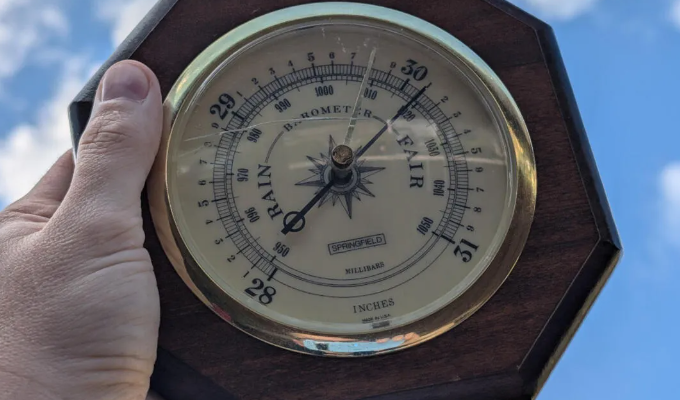
Aristotle once claimed that a true vacuum couldn't exist, as nature would immediately fill any empty space. This belief went largely unchallenged for nearly 2,000 years until the early 17th century, w...
|
|
READING
SPEAKING
|
|
| 6 |
 |
215 The Principles and Challenges of Nuclear Power
Nuclear power was first harnessed during World War II when scientists in Chicago achieved a controlled chain reaction by splitting uranium atoms in a nuclear reactor. This process converts nuclear mas...
|
|
READING
SPEAKING
|
|
| 7 |
 |
166 The Invention and Rise of the Band-Aid
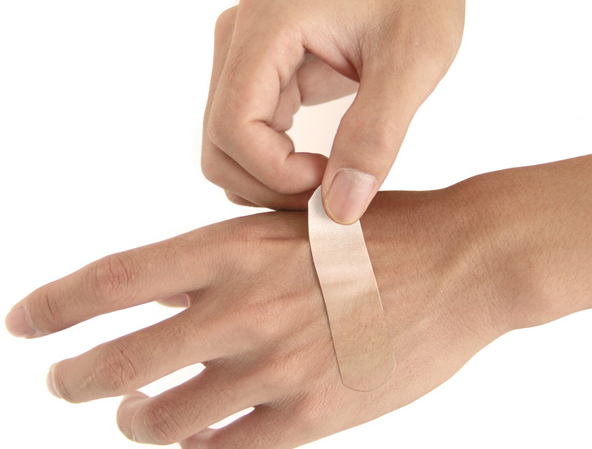
In the 1920s, Earle Dickson, an employee of Johnson & Johnson, invented the Band-Aid. His wife, Josephine, was prone to minor cuts and burns from daily household chores, but the large surgical dressin...
|
|
READING
SPEAKING
|
|
| 8 |
 |
180 How Fracking Works and Its Environmental Impact
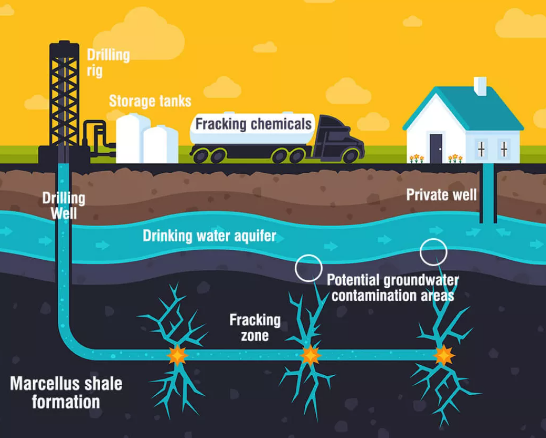
Fracking, or hydraulic fracturing, is a technique used to extract natural gas from deep underground shale rock formations. It begins with drilling a vertical well, which then turns horizontally throug...
|
|
READING
SPEAKING
|
|
| 9 |
 |
149 How Coffee Became More Convenient to Drink
In 1849, William H. Bovee left his job in New York City to seek fortune in California during the Gold Rush. At that time, people in the West still prepared coffee by roasting green beans at home, grin...
|
|
READING
SPEAKING
|
|
| 10 |
 |
123 The Invention of Braille
In the early 1800s, during the Napoleonic Wars, Captain Charles Barbier of Napoleon's army devised a system called "night writing" to send messages without revealing the recipient's position by lighti...
|
|
READING
SPEAKING
|
|
| 11 |
 |
144 The Invention of Jeans
During the Gold Rush in the 1850s, California, a tailor named Jacob Davis noticed that gold miners were quickly wearing out their pants. To solve this problem, Davis had a moment of inspiration and re...
|
|
READING
SPEAKING
|
|
| 12 |
 |
137 The Invention of the Bendy Straw
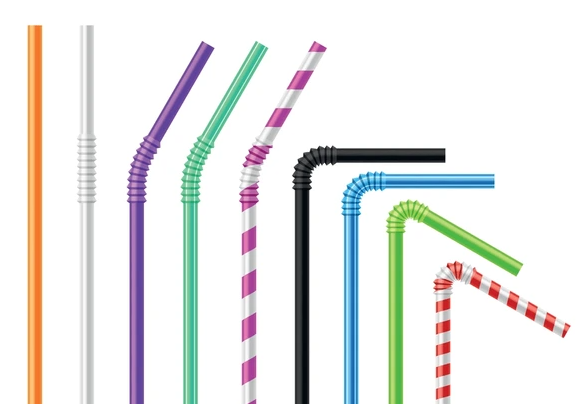
In the 1930s, in San Francisco, Joseph B. Friedman was at a soda parlor with his young daughter, Judith, who was struggling to drink her milkshake because she couldn’t reach the paper straw from her...
|
|
READING
SPEAKING
|
|
| 13 |
 |
144 The Invention of the Popsicle
In 1905, in Northern California, 11-year-old Frank Epperson accidentally invented the popsicle. One evening, Frank was making a popular DIY drink by mixing sugary soda powder with water using a wooden...
|
|
READING
SPEAKING
|
|
| 14 |
 |
149 The Invention of Super Glue
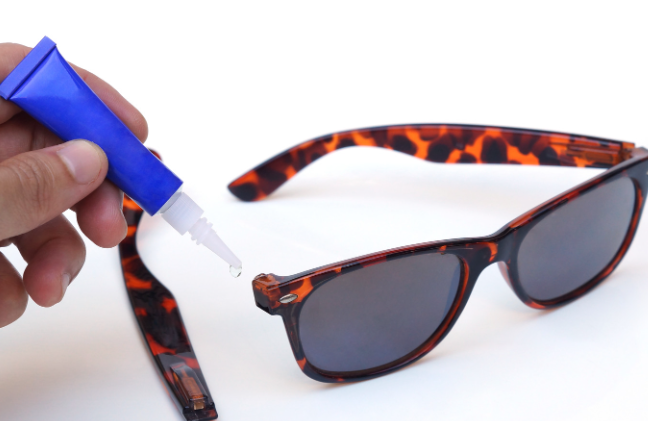
In the 1940s, during World War II, chemist Harry Coover was conducting research at Eastman Kodak in Rochester, New York, to develop a clear plastic for military gunsights. He and his team experimented...
|
|
READING
SPEAKING
|
|
| 15 |
 |
121 The Invention of Rubber Gloves
In the winter of 1890, Dr. William Halsted, the chief surgeon at Johns Hopkins Hospital, noticed that his scrub nurse, Caroline Hampton, was developing a severe reaction to the strong disinfectants us...
|
|
READING
SPEAKING
|
|
| 16 |
 |
153 The Invention of the Stethoscope
In 1816, a 35-year-old doctor named René Laennec was walking through Paris when he observed two children using a wooden board to amplify sound. One child held the board to her ear while the other scr...
|
|
READING
SPEAKING
|
|
| 17 |
 |
156 The Unsung Hero of DNA Research
The discovery of DNA's structure is one of history's most significant scientific achievements, with James Watson and Francis Crick famously credited for the double helix model. However, Rosalind Frank...
|
|
READING
SPEAKING
|
|
| 18 |
 |
124 The Invention of Smudge-Proof Lipstick
In the 1940s, during World War II, women entered the workforce in large numbers, but societal expectations for women to look well-groomed remained unchanged. Hazel Bishop, an organic chemist working o...
|
|
READING
SPEAKING
|
|
| 19 |
 |
129 Which Is Stronger: Glue or Tape?
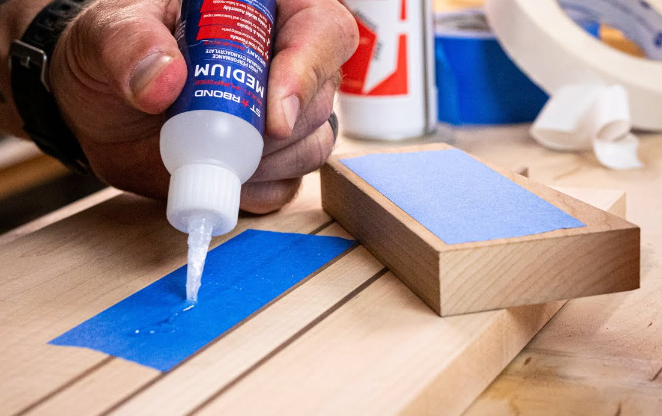
The strength of glue versus tape depends on the specific situation. Glue, used by humans for thousands of years, forms strong, permanent bonds due to its adhesive and cohesive properties, making it id...
|
|
READING
SPEAKING
|
|
| 20 |
 |
182 The Deadly Paradox of Gunpowder
The invention of gunpowder in ancient China during the 9th century has had a profound impact on history. Initially created by Chinese alchemists searching for a potion of immortality, the flammable po...
|
|
READING
SPEAKING
|
|
| 21 |
 |
204 How Aspirin Was Discovered
Aspirin's history dates back 4,000 years when the ancient Sumerians discovered that chewing the bark of certain trees, like willow, relieved pain. Over centuries, this natural remedy was used in vario...
|
|
READING
SPEAKING
|
|
| 22 |
 |
188 How Does Chemotherapy Work?
Chemotherapy, one of the most widely used cancer treatments, originated from research into mustard gas during World War I. Scientists discovered that mustard gas irreparably damaged bone marrow, which...
|
|
READING
SPEAKING
|
|
| 23 |
 |
154 Hacking Bacteria to Fight Cancer
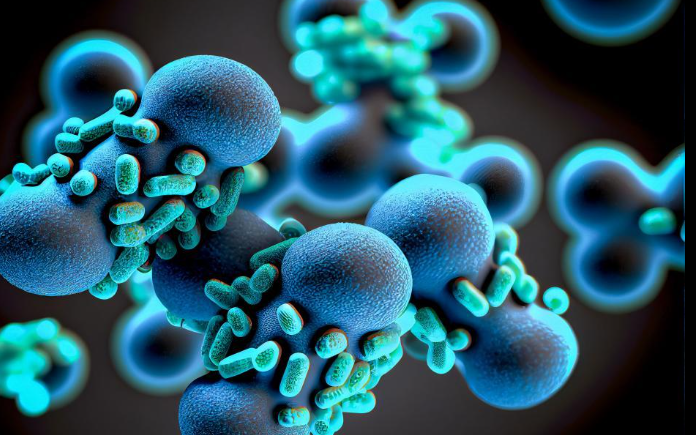
In 1884, a patient with cancer experienced an unexpected recovery after developing a bacterial infection, leading physician William Coley to pioneer using bacteria to treat cancer. Over a century late...
|
|
READING
SPEAKING
|
|
| 24 |
 |
147 Why Is Cotton in Everything?
Centuries ago, the Inca used cotton to create armor that was both strong and flexible, showcasing the unique properties of this material. Cotton fibers, which grow on the surface of cotton seeds, poss...
|
|
READING
SPEAKING
|
|
| 25 |
 |
143 World’s Longest Underwater Tunnel
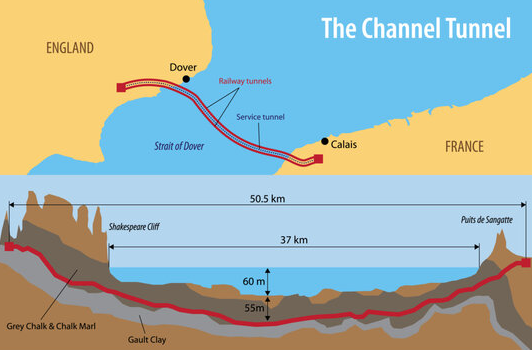
The Channel Tunnel, the world's longest underwater tunnel, connects France and England beneath the English Channel. Proposed as early as the 1800s, the idea faced numerous challenges, including geopol...
|
|
READING
SPEAKING
|
|