|
| |
|
|
|
|
| 1 |
 |
501 Opportunity Cost and Tradeoffs
[경제적 사고방식:기회비용과 상충관계]
경제적 사고방식을 이해하면 두 가지 중요한 개념의 중요성을 알 수 있습니다: 기회비용과 상충관계입니다. 기회비용은 결정을 내릴 때 포기한 다음으로 좋은 대안의 가치입니다. 예ë...
|
|
어휘목록
지문읽기
탐구과제 |
|
| 2 |
 |
510 Demand Curves in Economics
[가격은 어떻게 소비자 행동을 유발하나]
공급과 수요는 경제학의 기초 개념으로, 수요 곡선은 사람들이 다양한 가격에서 얼마나 많은 상품을 원할지 보여줍니다. 수요 곡선은 일반적으로 가격이 낮아질수록 수요량이 증가í•...
|
|
어휘목록
지문읽기
탐구과제 |
|
| 3 |
 |
685 Supply Curve in Economics
[공급곡선의 이해]
경제학에서 공급 곡선은 공급자가 다양한 가격에서 얼마나 많은 제품을 제공할 의향이 있는지를 보여줍니다. 수요 곡선과 마찬가지로 공급 곡선은 모든 상품과 서비스에 적용됩니다. 일반적으로 가격이 ìƒ...
|
|
어휘목록
지문읽기
탐구과제 |
|
| 4 |
 |
575 How Buyers and Sellers Determine Prices
[구매자와 판매자가 가격을 결정하는 방법]
경제학에서 균형 가격은 수요량과 공급량이 일치하는 지점입니다. 이 가격은 안정적이며, 이 가격에서 벗어나면 다시 균형으로 돌아가려는 힘이 작용합니다. 예를 들어, 석유 가격...
|
|
어휘목록
지문읽기
탐구과제 |
|
| 5 |
 |
852 What is GDP?
[GDP란 무엇인가]
국내총생산(GDP)은 한 국가에서 1년 동안 생산된 모든 최종 상품과 서비스의 총 시장 가치를 의미합니다. 경제를 다양한 제품들, 예를 들어 의류, 세탁기, 그리고 개 산책 서비스나 마사지와 같은 서비스들이 ê°...
|
|
어휘목록
지문읽기
탐구과제 |
|
| 6 |
 |
726 The Role of Real GDP and Living Standards
[실질 GDP와 생활 수준의 역할]
경제가 성장하고 있는가? 사람들이 4년 전보다 나아졌는가? 40년 전과 비교하면 어떨까? GDP(국내총생산)는 이러한 질문에 답하는 데 도움을 줄 수 있지만, 정확한 답을 얻기 위해서는 약간의 조정...
|
|
어휘목록
지문읽기
탐구과제 |
|
| 7 |
 |
536 Understanding Real Interest Rates
[실질 이자율 이해하기]
명목 이자율은 일반적으로 은행이나 신용카드 명세서에서 볼 수 있는 이자율이며, 대부분의 사람들이 "이자율"이라고 할 때 의미하는 것입니다. 그러나 실질 이자율은 인플레이션을 고려한 것으로, ëŒ...
|
|
어휘목록
지문읽기
탐구과제 |
|
| 8 |
 |
573 The Lifecycle Theory of Savings
[생애 주기 저축 이론]
생애 주기 저축 이론은 사람들이 인생 전반에 걸쳐 돈을 쓰고 저축하는 방식을 설명합니다. 이 이론은 대부분의 사람들이 경험하는 전형적인 소득 패턴을 고려하는데, 소득은 인생의 다양한 단계에서 ì˜...
|
|
어휘목록
지문읽기
탐구과제 |
|
| 9 |
 |
597 Natural Rate of Unemployment
[자연실업률과 실질실업률]
자연 실업률은 경기 변동과 관련된 실업이 없는 상태에서 발생하는 실업률을 의미합니다. 이 자연 실업률에는 마찰적 실업과 구조적 실업이 포함됩니다. 자연 실업률을 직접 측정하는 것은 어렵ê¸...
|
|
어휘목록
지문읽기
탐구과제 |
|
| 10 |
 |
670 Efficient-Market Hypothesis
[효율적 시장 가설 설명]
효율적 시장 가설(EMH)은 주식과 같은 자산의 가격이 이미 모든 공개된 정보를 포함하고 있다고 주장합니다. 이는 공개된 정보를 바탕으로 투자 결정을 내릴 경우, 시장을 지속적으로 능가할 수 없다ëŠ...
|
|
어휘목록
지문읽기
탐구과제 |
|
| 11 |
 |
744 Understanding Real Shocks
[실질적 충격]
실질적 충격은 경제의 근본적인 생산 요소에 큰 영향을 미치는 예상치 못한 사건입니다. 예로는 가뭄, 석유 공급 변화, 허리케인, 전쟁, 기술 발전 등이 있습니다. 이러한 충격은 긍정적이거나 부정적일 수 있으...
|
|
어휘목록
지문읽기
탐구과제 |
|
| 12 |
 |
793 Understanding Financial Intermediaries
[금융 중개기관]
금융 중개기관은 자금이 저축자에서 차입자로 이동하는 과정을 촉진하는 기관으로, 자금의 흐름을 보다 쉽고 효율적으로 만듭니다. 은행, 채권 시장, 주식 시장이 대표적인 예입니다.
금융 중개기관이 중요...
|
|
어휘목록
지문읽기
탐구과제 |
|
| 13 |
 |
564 Leverage Ratios and Their Risks
[레버리지 비율]
레버리지 비율은 개인이나 회사가 자산을 얼마나 많이 빚으로 운영하고 있는지를 나타내며, 얼마나 많은 위험이 있는지를 보여줍니다. 예를 들어, 10만 달러짜리 집을 살 때 5%를 다운페이먼트로 지불하면, 5,00...
|
|
어휘목록
지문읽기
탐구과제 |
|
| 14 |
 |
555 Stagflation: Causes and Challenges
[스태그플레이션]
Stagflation은 높은 인플레이션과 높은 실업률, 그리고 정체된 상품 수요가 동시에 발생하는 경제 상황입니다. 보통 인플레이션이 높으면 실업률이 낮아지지만, 스태그플레이션에서는 인플레이션과 실업률이 ...
|
|
어휘목록
지문읽기
탐구과제 |
|
| 15 |
 |
573 Understanding Crowding Out in Economic Policy
[구축효과(Crowding-Out) 이해하기]
Crowding out은 정부의 지출이 민간의 소비와 투자를 줄이는 상황을 설명하는 용어입니다. 경제가 완전 고용 상태에 있을 때, 정부가 새로운 도로를 건설하는 등의 추가 지출을 하게 되면, 이미 활ì...
|
|
어휘목록
지문읽기
탐구과제 |
|
| 16 |
 |
526 Free Rider Problem and Its Impact on Public Goods
[무임승차문제:Free-rider problem]
Free rider problem은 어떤 사람이 비용을 지불하지 않고도 상품이나 서비스의 혜택을 받는 상황을 설명합니다. 일반적인 예로는, 팀 과제에서 아무 일도 하지 않으면서도 같은 점수를 받는 학생을 ë“...
|
|
어휘목록
지문읽기
탐구과제 |
|
| 17 |
 |
580 Fisher Effect: Inflation and Interest Rates
[피셔 효과 fisher effect]
Fisher effect는 인플레이션율과 명목 금리 간의 관계를 설명합니다. 이 이론에 따르면, 인플레이션이 예상되면 명목 금리도 상승하여 대출자의 실질 수익을 유지하려 합니다.
예를 들어, 할머니가 당신ì—...
|
|
어휘목록
지문읽기
탐구과제 |
|
| 18 |
 |
631 Opportunity Cost: Making Better Economic Decisions...
[기회비용]
Opportunity cost는 한 가지 선택을 할 때 포기하는 다른 선택의 가치를 의미합니다. 예를 들어, 무료 아이스크림을 받기 위해 줄을 서는 동안, 그 시간을 일하거나 책을 읽는 데 사용할 수 있는 기회를 포기하는 것입니ë...
|
|
어휘목록
지문읽기
탐구과제 |
|
| 19 |
 |
630 Understanding Omitted Variable Bias
[누락변수편향의 오류]
Omitted variable bias는 회귀 분석에서 중요한 변수를 포함하지 않을 때 발생하는 선택 편향의 일종으로, 잘못된 결과를 초래할 수 있습니다. 이 편향은 두 변수 간의 관계에 영향을 미치는 중요한 요소가 ë¶...
|
|
어휘목록
지문읽기
탐구과제 |
|
| 20 |
 |
450 Managing Common Resources
[공유자원의 관리]
공유 자원은 비배제적이면서도 경합적인 재화나 서비스로, 사람들이 자원을 사용하는 것을 막기 어렵고, 한 사람이 사용할 때 다른 사람이 사용할 수 있는 양이 줄어드는 특징이 있습니다. 예를 들어, 바다...
|
|
어휘목록
지문읽기
탐구과제 |
|
| 21 |
 |
530 The Impact of Geography on Economic Growth
[경제성장의 지정학적 요인]
지리적 위치는 경제 성장에 중요한 영향을 미치며, 세계에서 가장 번영한 도시들 중 많은 곳이 해안이나 강가에 위치해 있습니다. 이러한 위치는 물류비용을 줄이고 무역을 촉진하며, 더 큰 시장ì—...
|
|
어휘목록
지문읽기
탐구과제 |
|
| 22 |
 |
606 How the Stock Market Works
[주식 시장의 기원과 역할]
주식 시장은 1600년대 네덜란드 동인도 회사가 민간 시민들에게 주식을 판매하면서 시작되었습니다. 이는 회사의 비용이 많이 드는 항해를 지원하는 데 도움을 주었고, 세계 최초의 주식 시장을 만ë...
|
|
어휘목록
지문읽기
탐구과제 |
|
| 23 |
 |
547 Why Competing Businesses Cluster Together
[경쟁 업체들이 서로 가까이 위치하는 이유]
왜 주유소나 커피숍 같은 유사한 사업체들이 한곳에 몰려 있는 걸까? 이 현상은 핫텔링의 공간 경쟁 모델로 설명할 수 있습니다.
예를 들어, 1마일 길이의 해변에 아이스크림 장ì...
|
|
어휘목록
지문읽기
탐구과제 |
|
| 24 |
 |
545 What Is Dust Made Of?
[먼지는 무엇으로 이루어져 있을까?]
먼지는 여러 작은 것들로 이루어져 있습니다. 집먼지는 피부 세포, 머리카락, 애완동물 비듬, 옷의 실밥을 포함합니다. 먼지 진드기는 먼지 속에 살며 죽은 피부와 곰팡이를 먹습니다. 각 ...
|
|
어휘목록
지문읽기
탐구과제 |
|
| 25 |
 |
452 Where Do We Get Fresh Water?
[민물은 어디서 얻을까?]
우리 몸은 대부분 물로 이루어져 있으며, 민물은 생명에 필수적입니다. 그러나 지구의 물 중 2.5%만 민물이고, 그중에서도 사용할 수 있는 양은 더 적습니다. 민물은 지표수, 빙하, 그리고 지하수를 포í...
|
|
어휘목록
지문읽기
탐구과제 |
|
| 26 |
 |
543 Photosynthesis and Food
[광합성과 음식에 대한 간단한 이야기]
우리가 먹는 음식, 예를 들어 과일과 파스타는 탄수화물을 포함하고 있으며, 이는 탄소, 수소, 산소로 이루어져 있습니다. 이러한 원자는 공기, 물, 햇빛을 통해 식물의 광합성으로 만들...
|
|
어휘목록
지문읽기
탐구과제 |
|
| 27 |
 |
582 Why Do Fingers Wrinkle in Water?
[손가락이 물에 젖으면 쭈글쭈글해지는 이유]
손가락이 물에 젖으면 쭈글쭈글해지는데, 과학자들은 이 현상을 오랫동안 연구했습니다. 1930년대에 의사들은 손에 신경 손상이 있는 사람들의 손가락이 물에 젖어도 쭈글쭈글해ì...
|
|
어휘목록
지문읽기
탐구과제 |
|
| 28 |
 |
514 Why Do Seasons Change?
[계절이 바뀌는 이유]
계절은 지구의 기울기 때문에 바뀌며, 태양과의 거리 때문이 아닙니다. 지구의 궤도는 거의 원형에 가까워 거리 변화가 적습니다. 실제로 지구는 1월에 태양에 더 가깝고 7월에 더 멀리 있습니다.
지구...
|
|
어휘목록
지문읽기
탐구과제 |
|
| 29 |
 |
635 What’s Below the Tip of the Iceberg?
[빙산 아래에는 무엇이 있을까?]
빙산은 얼음이 바닷물보다 밀도가 낮아 대부분 물속에 잠깁니다. 빙산의 약 1/9만 물 위에 있고 나머지는 숨겨져 있습니다. 빙산은 압축된 민물로 이루어진 빙하가 바다로 떨어져 나갈 때 형성...
|
|
어휘목록
지문읽기
탐구과제 |
|
| 30 |
 |
540 The Perilous Journey of Migrating Birds
[철새의 위험한 여정]
매년 봄, 많은 명금류 새들이 중남미에서 돌아옵니다. 이들은 번식을 위해 최대 7,000마일을 여행합니다. 떠나기 전, 새들은 에너지를 저장하기 위해 음식을 많이 먹습니다. 비행 중에는 몸무게가 빠르게 ...
|
|
어휘목록
지문읽기
탐구과제 |
|
| 31 |
 |
538 The life of Penguins.
[펭귄의 삶]
펭귄은 전 세계적으로 사랑받지만, 많은 위험에 직면해 있습니다. 펭귄은 날지 못하는 대신, 지느러미 같은 날개와 단단한 뼈를 이용해 빠르게 헤엄치고 깊이 잠수하도록 진화했습니다. 남극부터 남아프리카와 ê°...
|
|
어휘목록
지문읽기
탐구과제 |
|
| 32 |
 |
519 Coelacanth: The Living Fossil
[실라캔스: 살아 있는 화석]
실라캔스는 6,500만 년 전에 멸종된 것으로 여겨졌으나, 1938년 남아프리카 근처에서 재발견되었습니다. 이 "살아 있는 화석"은 3억 년 동안 거의 변화하지 않았습니다. 이후 인도네시아 근처에서 두 ...
|
|
어휘목록
지문읽기
탐구과제 |
|
| 33 |
 |
485 Why Elephants Never Forget
[코끼리의 기억력이 탁월한 이유]
“코끼리는 절대 잊지 않는다”는 말은 과학적으로 정확합니다. 코끼리는 최대 30마리의 무리 구성원을 알아보고, 다른 동물이나 사람도 수십 년 동안 기억합니다. 침팬지와 비슷한 복잡성을...
|
|
어휘목록
지문읽기
탐구과제 |
|
| 34 |
 |
510 How Do We Breathe?
[우리는 어떻게 숨을 쉴까?]
호흡은 우리 몸에 산소를 공급하며 생명을 유지합니다. 공기는 코나 입을 통해 들어와 폐의 폐포에 도달하며, 여기에서 산소가 혈액으로 흡수됩니다. 이 과정은 횡격막과 늑간근이 조절합니다.
...
|
|
어휘목록
지문읽기
탐구과제 |
|
| 35 |
 |
498 Why Mosquitoes Bite Some People More
[모기가 특정 사람을 더 물는 이유]
모기가 특정 사람을 더 좋아하는 이유는 여러 요인 때문입니다. 암컷 모기는 알을 생산하기 위해 피를 섭취하며, 감각 센서를 사용해 선호하는 대상을 찾습니다. 이들은 인간이 내뿜는 이산...
|
|
어휘목록
지문읽기
탐구과제 |
|
| 36 |
 |
555 How Did Museums Begin?
[박물관은 어떻게 시작되었을까?]
박물관은 2,000년이 넘는 역사를 가지며 크게 발전해 왔습니다. "박물관"이라는 단어는 그리스어 "무세이온"에서 유래했으며, 이는 예술과 과학의 여신 뮤즈를 위한 신전이었습니다. 여기에는 ...
|
|
어휘목록
지문읽기
탐구과제 |
|
| 37 |
 |
619 A Brief History of Plastic
[플라스틱의 간략한 역사]
플라스틱은 19세기에 상아와 같은 재료를 대체하기 위해 시작되었습니다. 1863년, 존 웨슬리 하이엇은 셀룰로이드를 발명했습니다. 이 최초의 플라스틱은 셀룰로오스로 만들어졌으며, 비록 가연성이 ...
|
|
어휘목록
지문읽기
탐구과제 |
|
| 38 |
 |
511 Why Can’t You Put Metal in a Microwave?
[왜 전자레인지에 금속을 넣으면 안 될까요?]
전자레인지는 전자기파를 사용해 물 분자와 같은 극성 분자를 진동시켜 마찰열로 음식을 가열합니다. 이 기술은 제2차 세계대전 당시 개발된 RADAR 기술에서 유래했으며, 음식을 í™...
|
|
어휘목록
지문읽기
탐구과제 |
|
| 39 |
 |
440 What Happens If You Don’t Put Your Phone in Airp...
[비행기 모드를 사용하지 않으면 어떻게 될까요?]
휴대폰은 기지국과 연결하기 위해 강력한 전파 신호를 방출합니다. 비행 중에는 기지국과의 거리가 멀어지면서 더 강한 신호를 보내야 하며, 이는 지상 통신을 방해하고 라디...
|
|
어휘목록
지문읽기
탐구과제 |
|
| 40 |
 |
512 Were Long Necks Also Tall Necks?
[긴 목은 정말 높은 목이었을까?]
사우로포드 공룡은 매우 긴 목으로 유명하지만, 이 목이 수직으로 서 있었는지, 수평으로 뻗었는지, 아니면 그 중간이었는지에 대해 논란이 있습니다. 화석은 완전한 목뼈를 포함하지 않는 ê²...
|
|
어휘목록
지문읽기
탐구과제 |
|
| 41 |
 |
612 Did Dinosaurs Really Have Feathers?
[공룡에게 정말 깃털이 있었을까?]
과학자들은 많은 공룡, 특히 벨로시랩터와 아마도 티라노사우루스와 같은 수각류 공룡들이 깃털을 가지고 있었다는 사실을 확인했습니다. 지난 20년 동안, 특히 중국에서 발견된 화석들은 "...
|
|
어휘목록
지문읽기
탐구과제 |
|
| 42 |
 |
489 Why Do Cats Purr?
[고양이는 왜 가르랑거리나요?]
고양이는 후두와 횡격막 근육을 사용해 들숨과 날숨 때 진동을 만들어내며, 25~150 헤르츠의 리듬 있는 가르랑거림을 냅니다. 보통 행복함과 관련된 행동으로 알려졌지만, 고양이는 아플 때, 출ì...
|
|
어휘목록
지문읽기
탐구과제 |
|
| 43 |
 |
559 Why Mammals Are Smaller Than Dinosaurs
[왜 포유류는 공룡보다 작을까]
옛날, 공룡은 매우 컸습니다. 한 공룡인 암피코일리아스 프라질리무스는 길이가 60미터이고 무게가 122톤이었습니다. 오늘날 가장 큰 육상 포유류는 아프리카 코끼리입니다. 코끼리는 겨우 5.5í†...
|
|
어휘목록
지문읽기
탐구과제 |
|
| 44 |
 |
534 Bananas: Not What They Seem
[바나나는 우리가 생각하는 그런 과일이 아니다]
바나나는 사람들이 좋아하는 영양가 높은 과일입니다. 하지만 오늘날 우리가 먹는 바나나는 야생 바나나와 다릅니다. 야생 바나나는 씨앗이 있지만, 우리가 먹는 카벤디시 바ë...
|
|
어휘목록
지문읽기
탐구과제 |
|
| 45 |
 |
594 Why Sleep Is Essential
[왜 수면이 중요한가]
수면은 누구나 필요하지만, 과학자들도 그 이유를 완전히 이해하지는 못합니다. 수면은 우리의 뇌와 몸이 쉬고 회복하는 데 도움을 줍니다. 또한 안전을 유지하고 에너지를 절약하게 해줄 수도 있습니다...
|
|
어휘목록
지문읽기
탐구과제 |
|
| 46 |
 |
595 What Happens When You Stop Eating
[음식을 먹지 않으면 무슨 일이 일어날까?]
기아는 몸이 음식을 충분히 섭취하지 못할 때 발생합니다. 산소가 없으면 사람은 몇 분 만에 죽고, 물 없이 며칠 버틸 수 있습니다. 하지만 음식 없이 사람은 몇 주 또는 두 달까지 ì‚...
|
|
어휘목록
지문읽기
탐구과제 |
|
| 47 |
 |
399 How Oysters Make Pearls
[굴이 진주를 만드는 방법]
진주는 땅속에서 채굴되는 것이 아니라 굴 속에서 만들어집니다. 작은 음식 조각 같은 것이 굴의 부드러운 조직과 단단한 껍질 사이에 끼면 진주가 생깁니다. 이것은 피부에 박힌 가시처럼 굴을 자ê...
|
|
어휘목록
지문읽기
탐구과제 |
|
| 48 |
 |
580 Do We Only Use 10% of Our Brain?
[우리는 뇌의 10%만 사용할까?]
사람들은 종종 인간이 뇌의 10%만 사용한다고 말합니다. 이 아이디어는 영화나 연설에서 자주 등장하지만 사실이 아닙니다. 과학자들은 우리가 뇌의 모든 부분을 사용한다는 것을 증명했습니다.
...
|
|
어휘목록
지문읽기
탐구과제 |
|
| 49 |
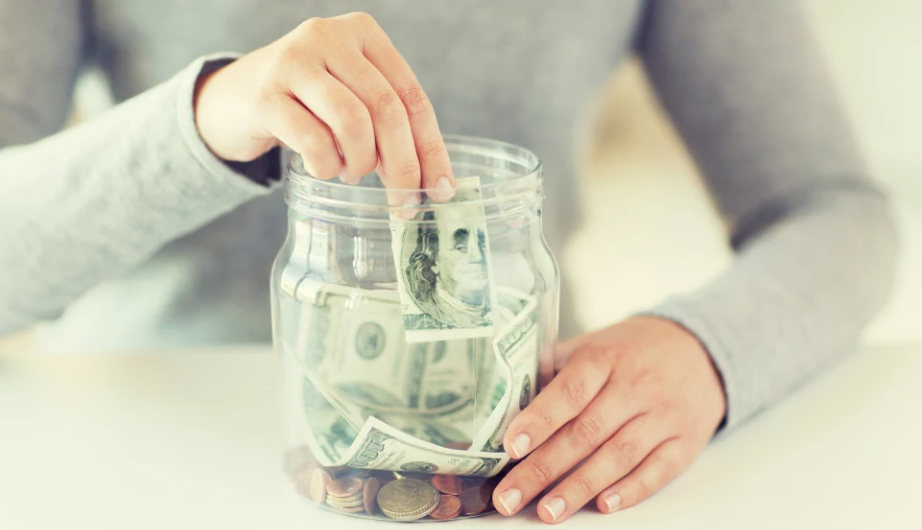 |
467 Why Do We Need to Save Money?
[저축은 왜 필요할까?]
저축은 나중을 위해 돈을 남겨 두는 것입니다. 사람들은 가진 돈을 한 번에 다 쓰지 않습니다. 일부는 은행이나 돼지 저금통에 넣습니다. 이것을 저축이라고 합니다.
사람들은 왜 저축을 할까요? 가끔...
|
|
어휘목록
지문읽기
탐구과제 |
|
| 50 |
 |
461 What Is a Bank?
[은행은 어떤 곳일까?]
은행은 사람들이 돈을 안전하게 보관하는 곳입니다. 사람들은 은행에 돈을 넣습니다. 이것을 입금이라고 합니다. 또한 돈을 꺼낼 수도 있습니다. 이것은 출금이라고 합니다.
은행은 사람들이 돈을 저ì...
|
|
어휘목록
지문읽기
탐구과제 |
|
| 51 |
 |
455 How Should We Use Our Allowance?
[용돈은 어떻게 써야 할까?]
용돈은 아이들이 부모님에게 받는 돈입니다. 매주 또는 매달 받을 수도 있습니다. 어떤 아이들은 집안일을 도와준 대가로 용돈을 받습니다.
용돈을 똑똑하게 쓰는 것이 중요합니다. 먼저, 일부ëŠ...
|
|
어휘목록
지문읽기
탐구과제 |
|
| 52 |
 |
561 How Is the Price Decided?
[물건 값은 어떻게 정해질까?]
가게에 가면 물건에 가격표가 붙어 있어요. 장난감은 10달러이고 책은 5달러일 수 있어요. 그런데 누가 이런 가격을 정할까요? 또 어떤 물건은 왜 더 비쌀까요?
먼저, 가격은 물건을 파는 사람ë“...
|
|
어휘목록
지문읽기
탐구과제 |
|
| 53 |
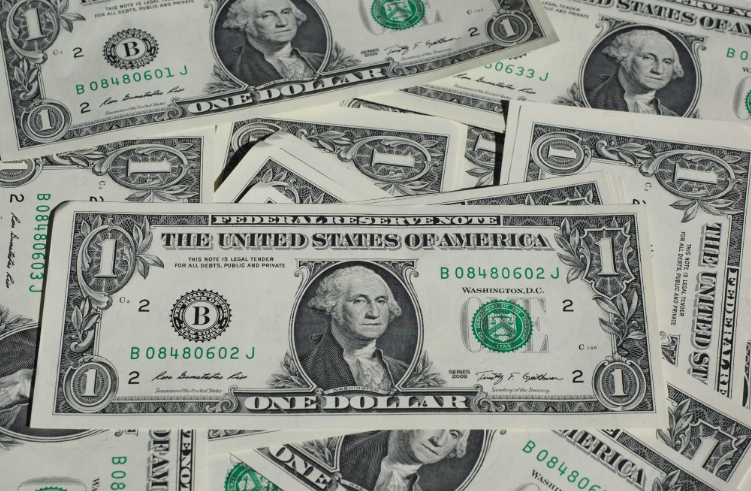 |
537 Why Do We Get Money for Work?
[일을 하면 왜 돈을 받을까?]
사람들은 매일 일을 해요. 어떤 사람은 음식을 만들고, 어떤 사람은 학생을 가르치고, 어떤 사람은 집을 지어요. 그런데 왜 일을 하면 돈을 받을까요?
누군가가 일을 하면, 다른 사람을 도와주는 ...
|
|
어휘목록
지문읽기
탐구과제 |
|
| 54 |
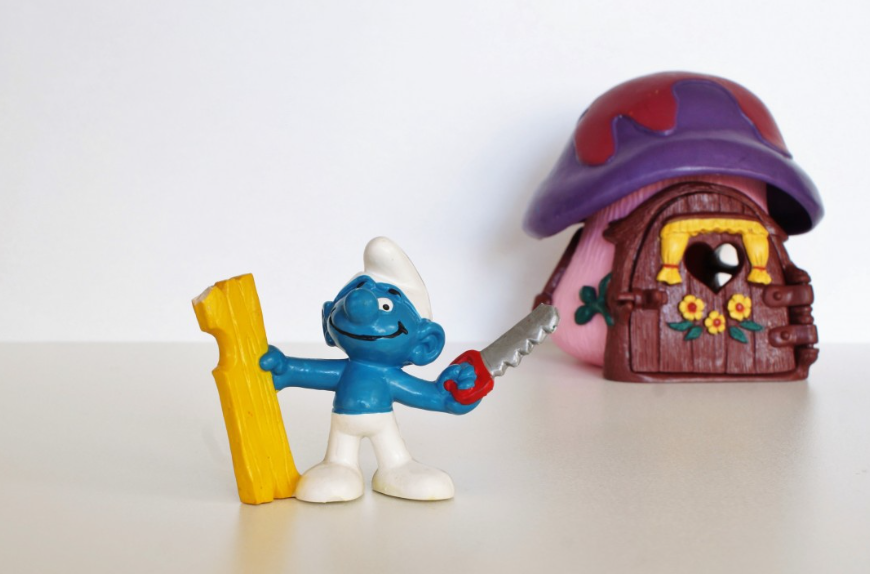 |
500 Why Are Toys Expensive?
[장난감은 왜 비쌀까?]
장난감을 갖고 싶었는데 가격이 비싸서 놀란 적이 있나요? 어떤 장난감은 정말 비싸요. 그런데 왜 그럴까요?
첫째, 장난감은 공장에서 만들어져요. 기계와 플라스틱, 페인트 같은 재료가 쓰여요. 이런 ...
|
|
어휘목록
지문읽기
탐구과제 |
|
| 55 |
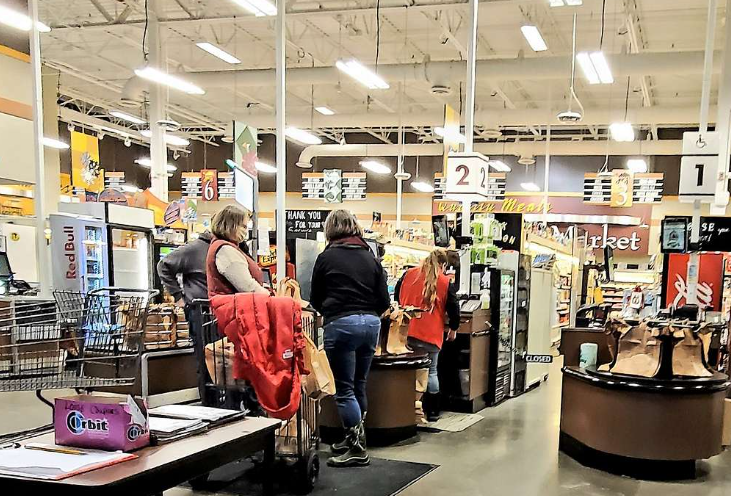 |
472 What Should We Think About When Buying Things?
[물건을 살 때 무엇을 생각해야 할까?]
우리가 쇼핑하러 갈 때 사고 싶은 물건이 아주 많아요. 하지만 물건을 사기 전에 먼저 생각하는 것이 좋아요. 무엇을 생각해야 할까요?
첫째, “이게 정말 필요한 걸까?”라고 스스로에...
|
|
어휘목록
지문읽기
탐구과제 |
|
| 56 |
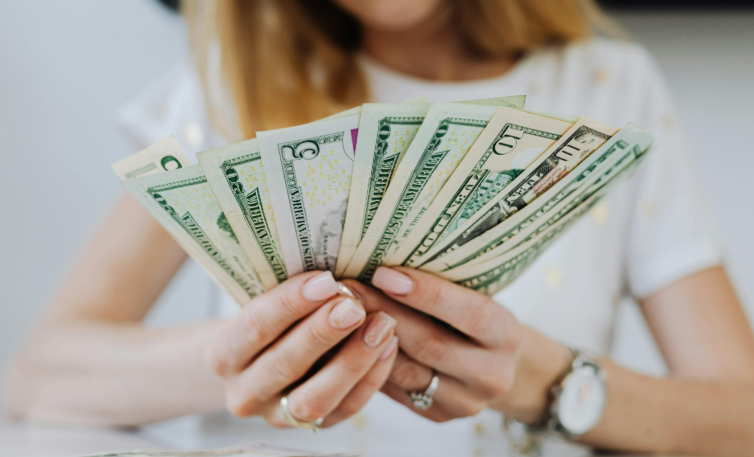 |
599 Where Do We Keep Money?
[돈은 어디에 보관할까?]
돈은 우리가 매일 사용하는 것이에요. 우리는 돈으로 음식, 장난감, 옷 같은 물건을 사요. 돈은 중요하기 때문에 잘 보관해야 해요. 그런데 돈은 어디에 보관할 수 있을까요?
어떤 사람들은 집에 돈ì...
|
|
어휘목록
지문읽기
탐구과제 |
|
| 57 |
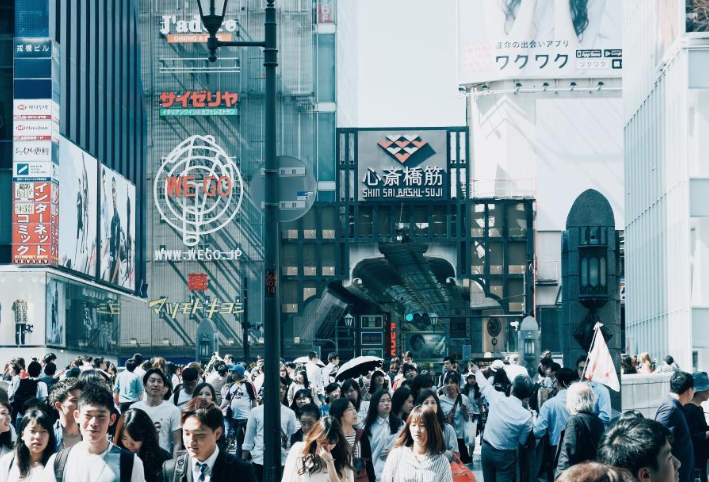 |
444 Why Do We See Advertisements?
[광고는 왜 나올까?]
우리는 TV, 인터넷, 거리에서 광고를 봐요. 그런데 왜 광고가 이렇게 많을까요?
광고는 우리가 살 수 있는 물건을 알려줘요. 장난감, 음식, 옷 광고를 볼 수 있어요. 새로운 것이 나오면 광고가 보여줘요. ...
|
|
어휘목록
지문읽기
탐구과제 |
|
| 58 |
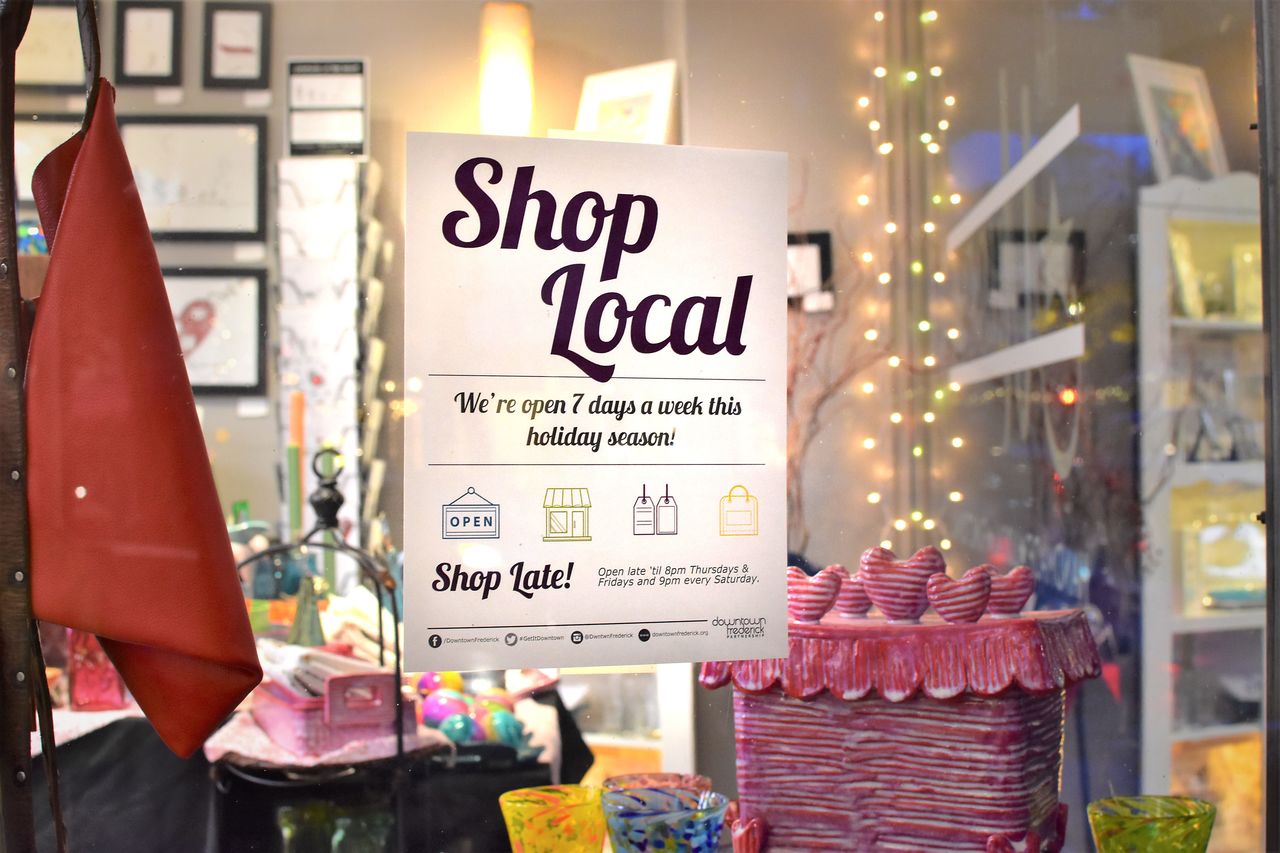 |
529 Why Do People Run a Business?
[사람들은 왜 장사를 할까?]
어떤 사람들은 가게를 열어요. 어떤 사람은 음식을 팔고, 어떤 사람은 옷이나 장난감을 팔아요. 이것을 장사라고 해요. 그런데 왜 사람들은 장사를 할까요?
사람들은 돈을 벌기 위해 장사를 해요....
|
|
어휘목록
지문읽기
탐구과제 |
|
| 59 |
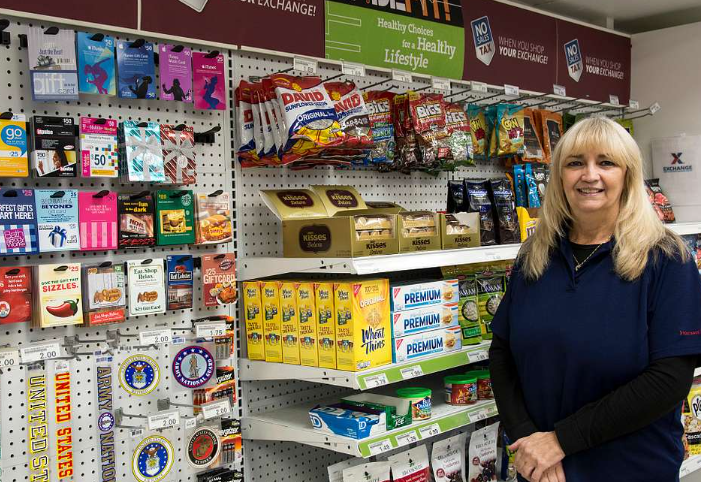 |
543 How Does a Store Owner Make Money?
[가게 주인은 어떻게 돈을 벌까?]
가게 주인은 가게를 가진 사람이에요. 그 가게는 음식, 장난감, 옷을 팔 수 있어요. 그런데 가게 주인은 어떻게 돈을 벌까요?
먼저, 주인은 물건을 공장이나 큰 가게에서 사요. 그리고 그것ì�...
|
|
어휘목록
지문읽기
탐구과제 |
|
| 60 |
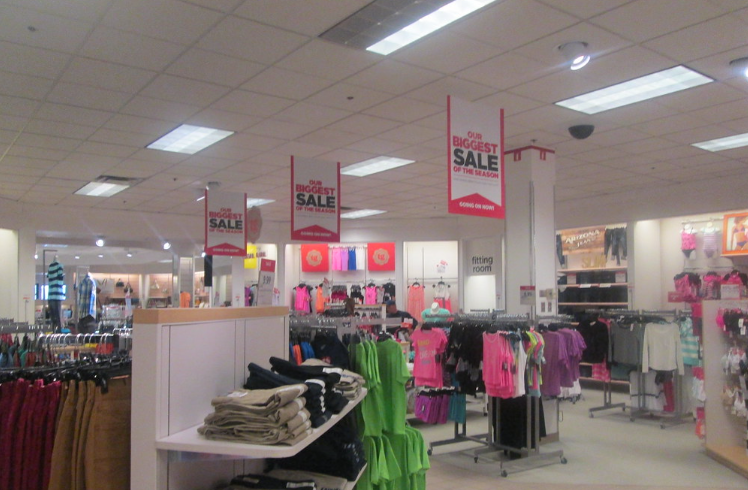 |
517 Why Do Stores Have Sales?
[세일은 왜 할까?]
가게 앞에서 “세일”이라는 글씨를 본 적이 있나요? 그때는 물건 값이 평소보다 더 싸요. 그런데 왜 가게는 세일을 할까요?
가게는 더 많은 사람이 물건을 사게 하려고 세일을 해요. 값이 싸지면 더 많은 ...
|
|
어휘목록
지문읽기
탐구과제 |
|
| 61 |
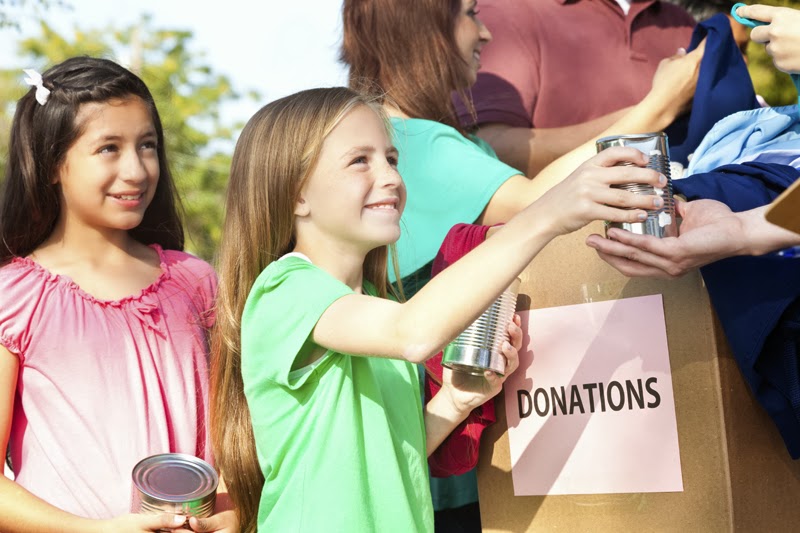 |
569 Why Is Giving a Good Thing?
[기부는 왜 좋을까?]
가끔 사람들은 다른 사람에게 돈이나 음식, 옷을 줘요. 이것을 기부라고 해요. 그런데 왜 기부는 좋은 걸까요?
어떤 사람들은 가진 것이 충분하지 않아요. 먹을 음식이나 따뜻한 옷이 없을 수도 있어요. ...
|
|
어휘목록
지문읽기
탐구과제 |
|
| 62 |
 |
513 How Does Online Shopping Work?
[인터넷 쇼핑은 어떻게 될까?]
많은 사람들이 인터넷으로 쇼핑을 해요. 이것을 인터넷 쇼핑이라고 해요. 그런데 인터넷 쇼핑은 어떻게 될까요?
먼저, 웹사이트나 앱에 들어가요. 거기에서 장난감, 옷, 음식 같은 물건 사진을 ...
|
|
어휘목록
지문읽기
탐구과제 |
|
| 63 |
 |
531 Where Do Things Come From?
[물건이 어디서 올까?]
우리는 매일 많은 물건을 사용해요. 옷을 입고, 음식을 먹고, 장난감을 가지고 놀아요. 그런데 이런 물건들은 어디서 올까요?
많은 물건은 공장에서 와요. 공장은 큰 건물로, 사람들과 기계가 물건을 ë§...
|
|
어휘목록
지문읽기
탐구과제 |
|
| 64 |
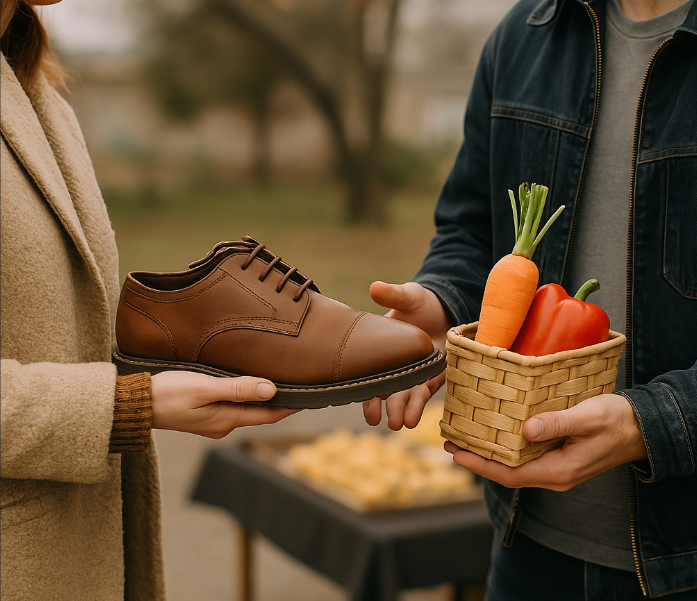 |
577 How Did Bartering Work?
[물물교환은 어떻게 했을까?]
옛날에는 사람들이 돈을 쓰지 않았어요. 그 대신 물물교환을 했어요. 물물교환은 물건과 물건을 바꾸는 거예요. 사람들은 한 가지를 주고, 필요한 다른 것을 받았어요.
예를 들어, 한 사람은 사ê...
|
|
어휘목록
지문읽기
탐구과제 |
|
| 65 |
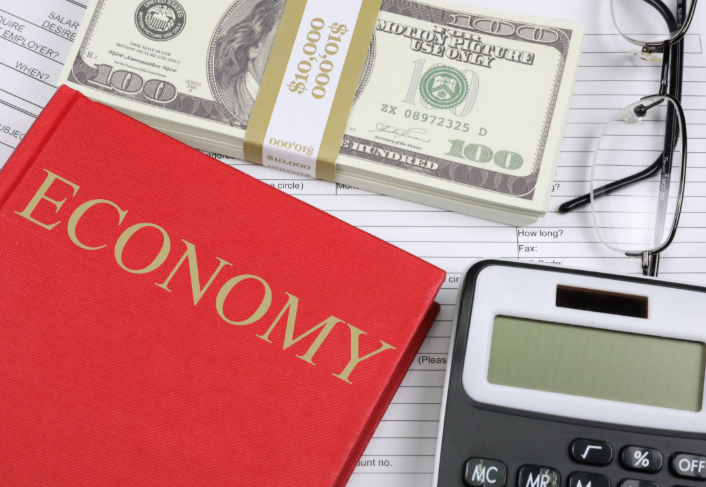 |
537 What Is the Economy?
[경제란 무엇일까?]
우리는 TV나 학교에서 “경제”라는 말을 들어요. 그런데 경제는 무슨 뜻일까요?
경제는 사람들이 음식, 옷, 돈 같은 것을 만들고, 쓰고, 나누는 방법이에요. 사람들의 일과 교환에 대한 이야기예요. 사람...
|
|
어휘목록
지문읽기
탐구과제 |
|
| 66 |
 |
521 Needs and Wants: What’s the Difference?
[필요한 것과 원하는 것의 차이]
우리는 돈으로 많은 것을 사요. 하지만 어떤 것은 필요한 것이고, 어떤 것은 원하는 것이에요. 그 차이는 무엇일까요?
필요한 것은 우리가 살기 위해 꼭 있어야 해요. 음식, 물, 옷, 집이 필요...
|
|
어휘목록
지문읽기
탐구과제 |
|
| 67 |
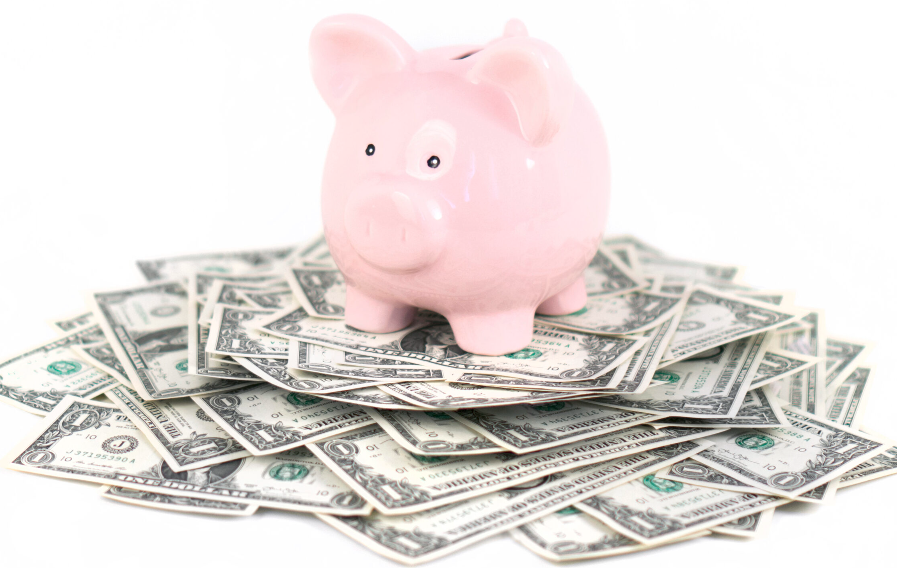 |
505 Why Should We Save Money?
[돈은 왜 모아야 할까?]
가끔 우리는 부모님이나 선물로 돈을 받아요. 그 돈을 바로 쓰고 싶을 수도 있어요. 하지만 돈을 모으는 것도 중요해요. 왜 돈을 모아야 할까요?
돈을 모은다는 것은 나중에 쓰기 위해 간직하는 거예ìš...
|
|
어휘목록
지문읽기
탐구과제 |
|
| 68 |
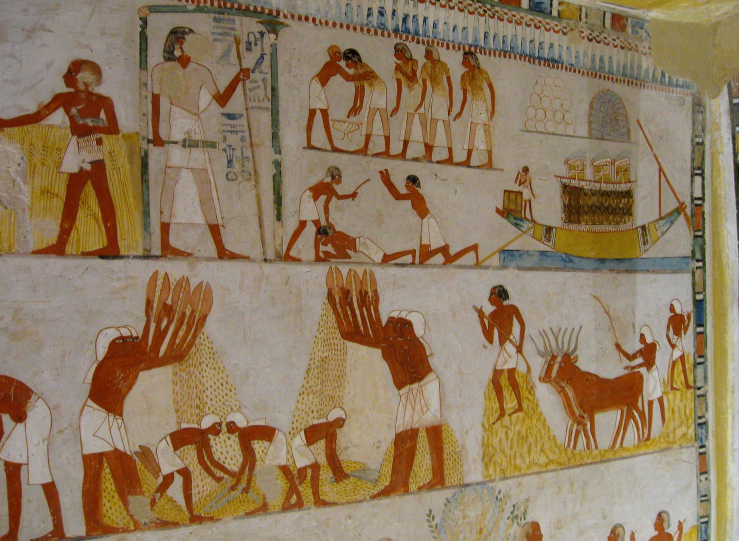 |
573 How Did People Live Without Money?
[돈이 없던 시절에는 어떻게 살았을까?]
아주 오래 전에는 돈이 없었어요. 하지만 사람들은 음식, 옷, 도구가 필요했어요. 그렇다면 어떻게 살았을까요?
사람들은 물물교환을 했어요. 이것은 서로 물건을 바꾸는 거예요. 한 ...
|
|
어휘목록
지문읽기
탐구과제 |
|
| 69 |
 |
509 What Is a Job?
[직업이란 무엇일까?]
직업은 사람들이 돈을 벌기 위해 하는 일이에요. 많은 어른들이 직업이 있어요. 그들은 이 돈으로 음식, 옷을 사고, 집세를 내요.
직업에는 여러 가지 종류가 있어요. 선생님은 아이들이 배우도록 도와...
|
|
어휘목록
지문읽기
탐구과제 |
|
| 70 |
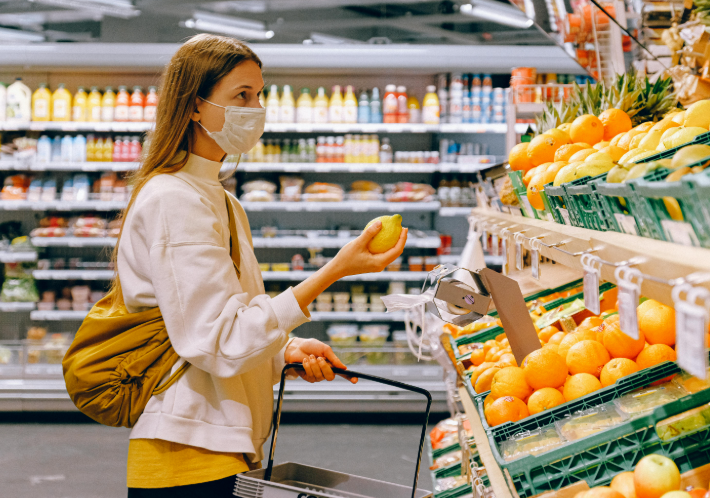 |
481 What Can We Buy at the Market?
[시장에서 살 수 있는 것들]
시장은 사람들이 물건을 사고파는 곳이에요. 많은 사람들이 시장에 가서 필요한 것을 사요. 그런데 시장에서는 무엇을 살 수 있을까요?
우리는 시장에서 음식을 살 수 있어요. 사과, 바나나, 포도...
|
|
어휘목록
지문읽기
탐구과제 |
|
| 71 |
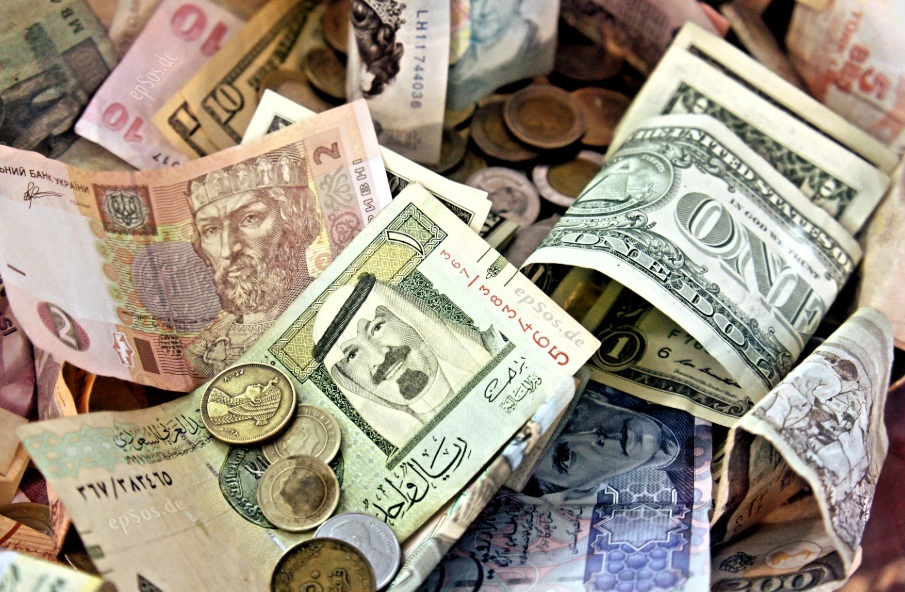 |
444 Why Is Money Different in Each Country?
[돈은 왜 나라별로 다를까?]
전 세계 사람들은 돈을 사용해요. 하지만 모든 돈이 똑같이 생기지는 않았어요. 왜 돈은 나라마다 다를까요?
각 나라는 자기 나라 돈을 가지고 있어요. 미국에서는 달러를 쓰고, 한국에서는 원을 ...
|
|
어휘목록
지문읽기
탐구과제 |
|
| 72 |
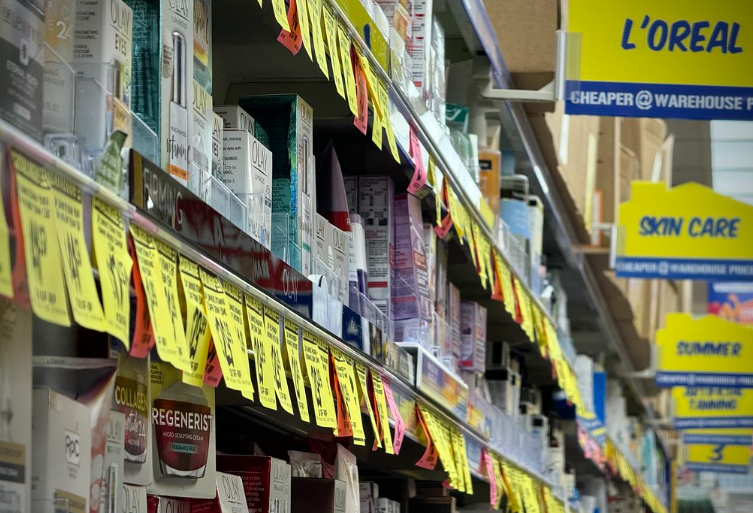 |
577 Why Are Price Tags Necessary?
[가격표는 왜 필요할까?]
가격표는 가게와 시장에서 아주 중요해요. 가격표는 물건이 얼마인지 보여줘요. 가격표가 없으면, 사람들은 물건을 사려면 얼마를 지불해야 하는지 알 수 없어요.
가게에 가면 가격표 덕분에 물건ì�...
|
|
어휘목록
지문읽기
탐구과제 |
|
| 73 |
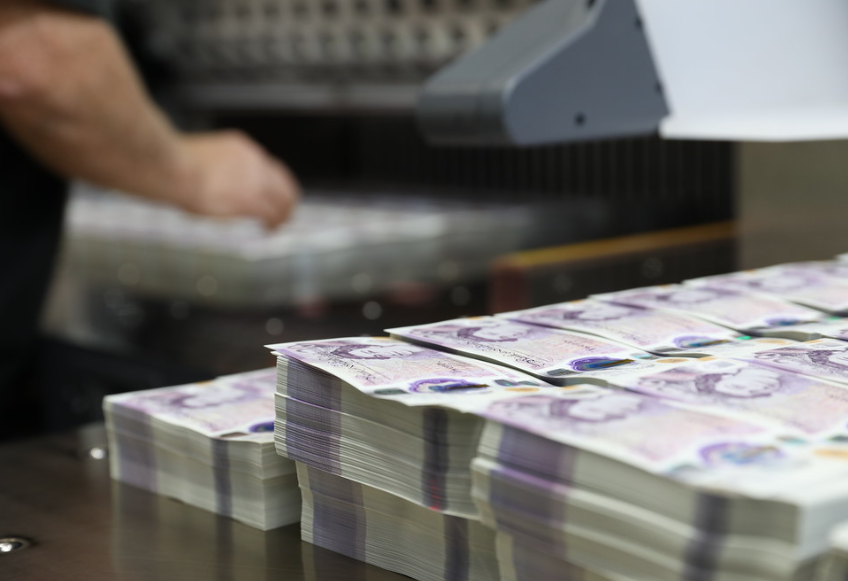 |
531 How Is Money Made?
[화폐는 어떻게 만들어질까?]
돈은 우리가 매일 사용하는 것이에요. 우리는 음식, 장난감, 옷을 살 때 돈을 써요. 그런데 돈은 어떻게 만들어질까요?
각 나라는 자기 나라의 돈을 만들어요. 한국에서는 정부가 '조폐공사'라는...
|
|
어휘목록
지문읽기
탐구과제 |
|
| 74 |
 |
508 What Is the Difference Between Expensive and Cheap...
[비싼 것과 싼 것의 차이]
우리가 쇼핑을 할 때, 가격이 다른 물건들을 봐요. 어떤 것은 돈이 많이 들고, 어떤 것은 조금만 들어요. 이런 것을 비싼 것과 싼 것이라고 해요. 그런데 그 차이는 뭘까요?
비싼 것은 돈이 많이 들어...
|
|
어휘목록
지문읽기
탐구과제 |
|
| 75 |
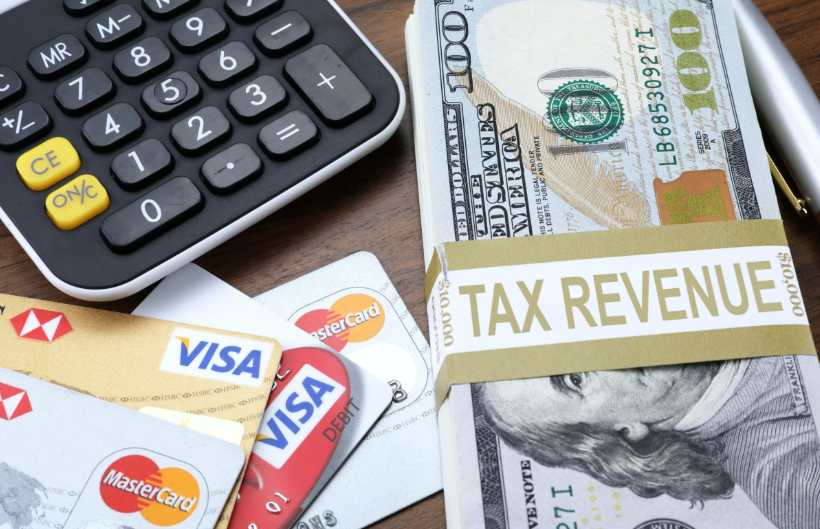 |
471 How Are Taxes Used?
[세금은 어떻게 쓰일까?]
세금은 사람들이 정부에 내는 돈이에요. 그런데 왜 우리는 세금을 내고, 세금은 어디에 쓰일까요?
사람들은 물건을 살 때나 돈을 벌 때 세금을 내요. 이 돈은 정부로 가요. 정부는 이 세금으로 나라ì�...
|
|
어휘목록
지문읽기
탐구과제 |
|
| 76 |
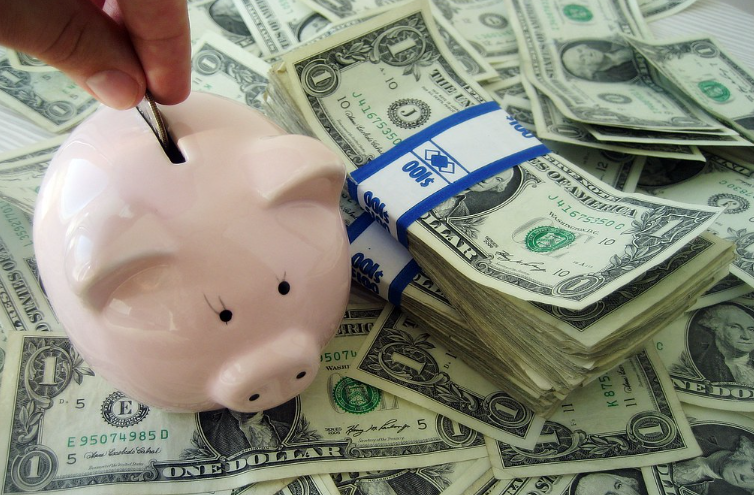 |
491 What Kind of Money Will We Use in the Future?
[미래에는 어떤 돈이 생길까?]
오늘날 우리는 동전, 지폐, 카드로 물건을 사요. 그런데 미래에는 어떤 돈을 쓰게 될까요?
미래에는 종이돈을 덜 쓰게 될 수도 있어요. 요즘도 많은 사람들이 핸드폰이나 컴퓨터로 돈을 내요. ì�...
|
|
어휘목록
지문읽기
탐구과제 |
|

 로그인
로그인